
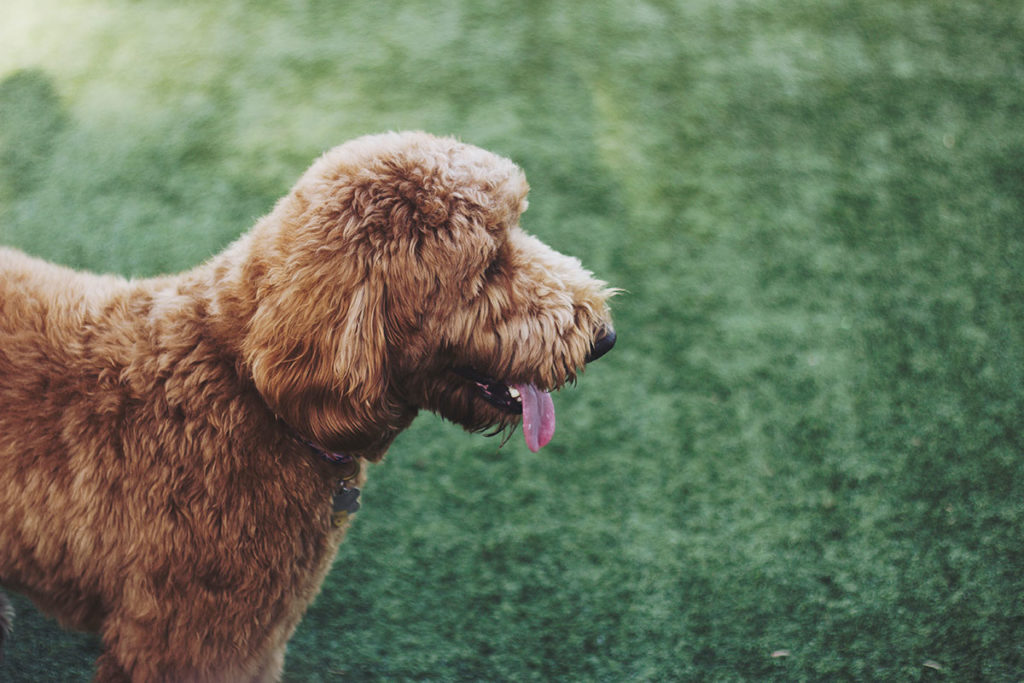
The perfect pet doesn’t exi…. Oh Wait, you have met the Labradoodle? This lovable hybrid is one of the best things to come out of Australia since Vegemite. In 1989, the first Labradoodle was bred to create a ‘low-allergen’ dog for a woman in Hawaii with impaired vision, whose husband also had allergies. Since then, they’ve become a fast favourite across Australian and indeed the world. The appeal of the breed is obvious – intelligent, friendly, hardy, willing to please and one hell of a looker. However, as with all dogs, it pays to do some research into the breed. So, in this article we look beyond the ever wagging tail and that oh so soft coat into some potential health concerns that can come as along with your Labradoodle.
1. Ear Infections
Labrador owners and Poodle owners can attest to their pets ears potential to cause problems. With the labradoodle being a mix of the two breeds, it’s only sensical that they’d have the similar issues. The floppy ears of the breed trap moisture in and will need to be regularly checked. As an owner, keep your eyes open for a waxy discoloured, discharge and a bad smell. Regular cleaning is a must–ear cleaning solutions can be found at your local pet store and should be part of your regular cleaning routine. If the problem persists veterinary intervention will be required.
2. Hip and Elbow Dysplasia
Hip Dysplasia is quite a common health concern across a number of breeds and also found in Labradoodles. Hip dysplasia is when the thigh-bone doesn’t fit snugly into the hip joint. The dog may exhibit lameness or symptoms of pain with arthritis in the joint often being the long-term prognosis. Elbow dysplasia is another degenerative disorder that labradoodle’s can be more susceptible to with the affected area being in the elbow area. Often this results in a weakened or malformed joint. Both ailments are genetic so it very important to ensure that your pup’s parents are free from the condition.
3. Epilepsy
Labradoodles can be prone to epilepsy; a neurological condition that’s usually inherited. The resulting seizures are alarming but the long-term prognosis is usually quite good for dogs suffering epilepsy–if you suspect that your Labradoodle may have epilepsy, you will need your vet to diagnose the condition. Signs may include staggering, hiding, falling down, rigid limbs, losing consciousness. If you’ve noticed the above conditions happening, then it’s certainly time to check in with the vet.
4. Allergies
Most dogs have allergies but Labradoodles can be particularly prone. Allergies fall into three categories; topical, contact, and food. Food allergies can be problematic for the labradoodle and depending on the severity of the allergy may require veterinary intervention and diet restrictions. This can be difficult to manage as your Labradoodle will undoubtedly get up to mischief and eat something they shouldn’t. Contact and topical allergies present different problems and are absorbed through the skin. Typical culprits include flea powder in bedding, shampoos, chemicals found around the home etc. Allergies are common and can be bothersome, but once you’ve found the culprit they are usually easily managed through medication or dietary restriction and you and your labradoodle can go back to enjoying each other’s company. If your Labradoodle is prone to allergies remember to regularly use Dig-In at meal times to help with recovery and even build some resilience – Shop Here
5. Addison Disease
Labradoodles can be more prone to Addison’s disease. A disorder where the body cannot regulate cortisol productions and can’t manage stress. This disease is found in both Poodles and Labs across Australia and has been inherited by the Labradoodle. As a simple explanation, the pituitary gland fails to produce a hormone called ACTH. The resulting cortisol irregularity results in; improper food digestion, increases bouts of weakness, an abnormally high heart rate, excessive thirst and urination and also diarrhea. Your vet will be able to diagnose Addison’s Disease. So, if you notice the above symptoms occurring you should consult your vet.
The poodle and the Labrador are both fantastic breeds of dogs that are renowned for their intelligence, loyalty, appeal, and capability. It’s only natural that their combined offspring would exhibit similar traits. The Labradoodle is a surprisingly hardy breed under normal circumstances and the above problems are not usually present. But it’s certainly worth keeping an eye out for them. Remember to ask lots of questions when buying your pup and insist on meeting both parents. Good breeders can provide DNA test results to rule out serious conditions.
The Labradoodle is an endearing companion with loads of energy, great for families and suited to new and old dog owners alike. If you’re looking at the new dog, we know that you can’t go wrong with a Labradoodle.
Update: Under new legislation that each state government is either enacting or considering, all breeders will be strictly controlled. However, it is best to talk to the Labradoodle Association of Australia to find out who are the best breeders.
For more information, the below are certainly worth checking in with.
http://www.laa.org.au/
Breed Standards – http://www.laa.org.au/index.php/about-labs/standards
Do not rely on the information on our website as an alternative to medical advice from your veterinary doctor. If you think your pet may be suffering from a medical condition, seek immediate medical attention.
References
Origin of the Labradoodle http://www.pawculture.com/breed-basics/dog-breeds/labradoodle/
Breed Details http://www.laa.org.au/
Breed health https://dogtime.com/dog-breeds/labradoodle#ol3qvSz5BrS3tVUS.99
Breed Health https://pets.thenest.com/problems-labradoodles-9759.html